Time for ITAK to Set Aside Ego and Join Tamil Collective Action

When an initiative holds the potential to benefit the Tamil people, it becomes the collective duty of everyone, regardless of who leads it, to offer their support. I make this statement in light of a recent development in the North and East of Sri Lanka, where all Tamil political parties, civil society organizations, and religious institutions came together to draft a joint letter addressed to the United Nations High Commissioner for Human Rights. This letter was formally sent on August 4.
Despite being invited to be a signatory to this important document, the Illankai Tamil Arasu Kachchi (ITAK) chose to distance itself from the initiative. ITAK’s acting General Secretary publicly stated through the media that the party would not participate in the letter initiative. Nevertheless, the remaining Tamil parties, civil society groups, and religious bodies proceeded to finalize and dispatch the letter to the High Commissioner.
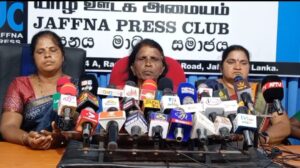
What is deeply regrettable, however, is that ITAK’s supporters, certain media personalities aligned with ITAK, and even the Jaffna Press Club openly criticized this collective effort. Their criticism revealed an underlying reluctance to accept any unity among North-East Tamil groups unless it happens under ITAK’s leadership or with their explicit approval. Rather than addressing this stance directly, they chose to divert the narrative by raising superficial objections, such as minor typographical errors in the letter, the absence of the term “genocide,” or a lack of broader consultation.
The Jaffna Press Club, in particular, released a statement via Facebook accusing the organizers of including the Press Club’s name in the letter without prior consent. However, according to the letter’s drafters, the Press Club had initially participated in a preparatory meeting held at Raja Cream House, Jaffna, to form the “Tamil People’s Council,” where they had expressed their support for the collective effort. But my question is this, in initiatives that seek justice for the Tamil people, the ones who should voluntarily step forward are journalists. It is unacceptable that those who seek financial grants from Members of Parliament to develop their press clubs choose to stay away from uniting for the Tamil people’s struggles.
On the very next day after the letter was sent, August 5, the UN High Commissioner Volker Türk issued an official response. This prompt reply has reinvigorated the Tamil people’s faith in engaging with international mechanisms like the United Nations. The High Commissioner’s reply also addressed several significant concerns raised in the letter, reaffirming the impact of collective advocacy.
In this context, it is imperative for ITAK to set aside personal egos and join hands with the broader coalition of Tamil political, civil, and religious entities. Persisting with empty rhetoric, both directly and through their media proxies, will only deepen the crisis facing ITAK’s own future. The party has already experienced a significant erosion of public support in the North, and continuing to isolate itself from collective Tamil initiatives will only exacerbate this trend.
Editor, Debasa.lk
Join our WhatsApp group for instant news updates : Click HERE
The Letters Sent and Received

What do you feel about this post?

Like

Love

Happy

Haha

Sad